In 2026, restaurant automation is gradually becoming the critical backbone for operations in every establishment.
Let's look at an impeccable shift schedule first: job ads are converting smoothly, resumes are steadily flowing in, and every station on the spreadsheet is filled with names.
But we all know the illusion of a fully staffed roster is always particularly alluring—and fragile.
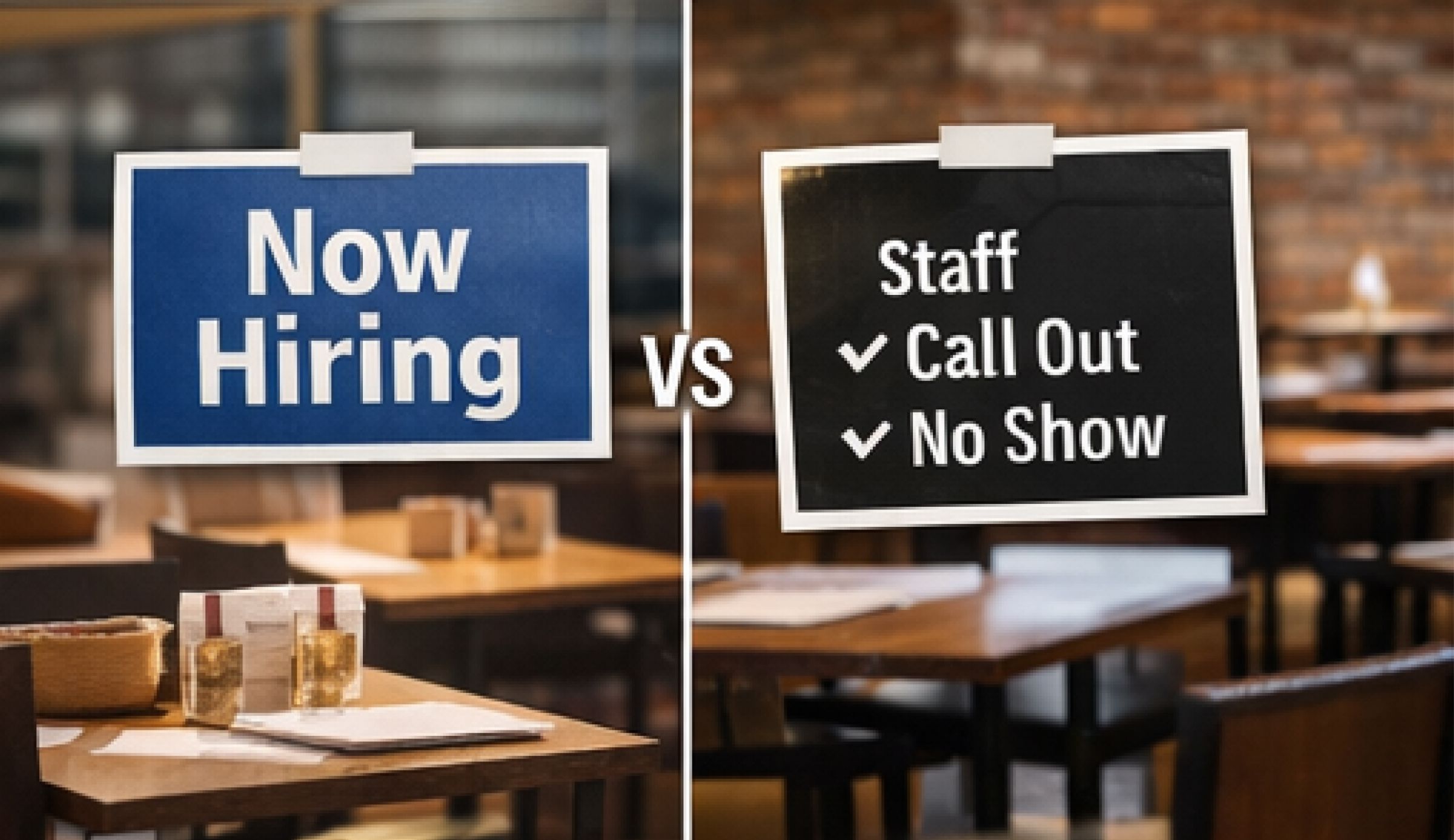
Problems always arise on the busiest Friday night. A last-minute sick leave text or an unannounced no-show is enough to drag ticket times straight from 15 minutes to 40 minutes;
Food under the heat lamps loses its warmth, while front-of-house anxiety reaches a boiling point. When the restaurant manager is forced to roll up their sleeves and run food themselves, service quality completely halts, and the entire store devolves into a disaster zone.
Today's top-tier operators have long abandoned the outdated superstition of simply "filling headcounts." They are starting to discuss a much deeper issue: How do we maintain flawless numbers on paper without relying on increasingly unsustainable human labor?
Using human labor to plug system gaps is the most expensive war of attrition in this era. Even operators actively seeking ways to reduce labor costs have discovered the same truth: recruitment alone cannot restore operational stability. It merely swaps new faces into a constantly churning employee roster while continuously driving up operational overhead. Pouring capital into a variable that gets fatigued, complains, and disappears is essentially a disguised gamble with the restaurant's lifeline.
Executive InsightThe $1.55 Trillion Mirage: High Revenues and Vanishing Margins
According to the latest authoritative 2026 State of the Restaurant Industry Report released by the National Restaurant Association, driven by consumer spending, national restaurant industry sales are projected to reach an unprecedented $1.55 trillion.
On the surface, this massive number signals robust market expansion. However, the reality behind the headlines is that, after factoring in persistent inflation, the actual net profit margin is squeezed to a meager 1.3%. Faced with this high-revenue, low-margin environment, enterprise-level operators no longer view technology as an experimental luxury. Industry consensus has decisively shifted toward establishing structural operational resilience through digital ordering and physical automation.
The frontline operational reality is a mixed economic landscape.
Although official statistics suggest the U.S. market will add about 100,000 jobs for operators this year, bringing total industry employment to 15.8 million, the sector is plagued by severe margin compression.
The real key to survival lies in predictable peak-hour foot traffic and controllable, non-volatile operational costs.
1. 2026: High Costs, High Turnover, and Persistent Instability
Although employment levels have recovered on paper, labor pressure on frontline operations has not eased.
This is because restaurants don't just need headcount; they need reliable coverage during tight shifts, consistent training execution, and retention in roles that directly impact the guest experience. Labor remains the heaviest controllable expense on a restaurant's P&L statement, and the most volatile pressure point.
Financial Impact AuditKey Metric: 42% of Restaurants Are Operating at a Loss
The most shocking conclusion from the National Restaurant Association's latest indicators highlights why the current operational model is unsustainable: Over 90% of operators cite food, labor, insurance, energy, and credit card swipe fees as significant business challenges.
- Margin Compression: Driven by historic compounding factors—compared to the 2019 baseline, wholesale food costs have risen 38%, and manual labor costs have jumped 35%—a staggering 42% of operators reported their restaurants were not profitable last year.
- Pre-tax Profit Reality: Average pre-tax margins have been squeezed to razor-thin levels of 2.8% for full-service restaurants and only 4% for limited-service formats.
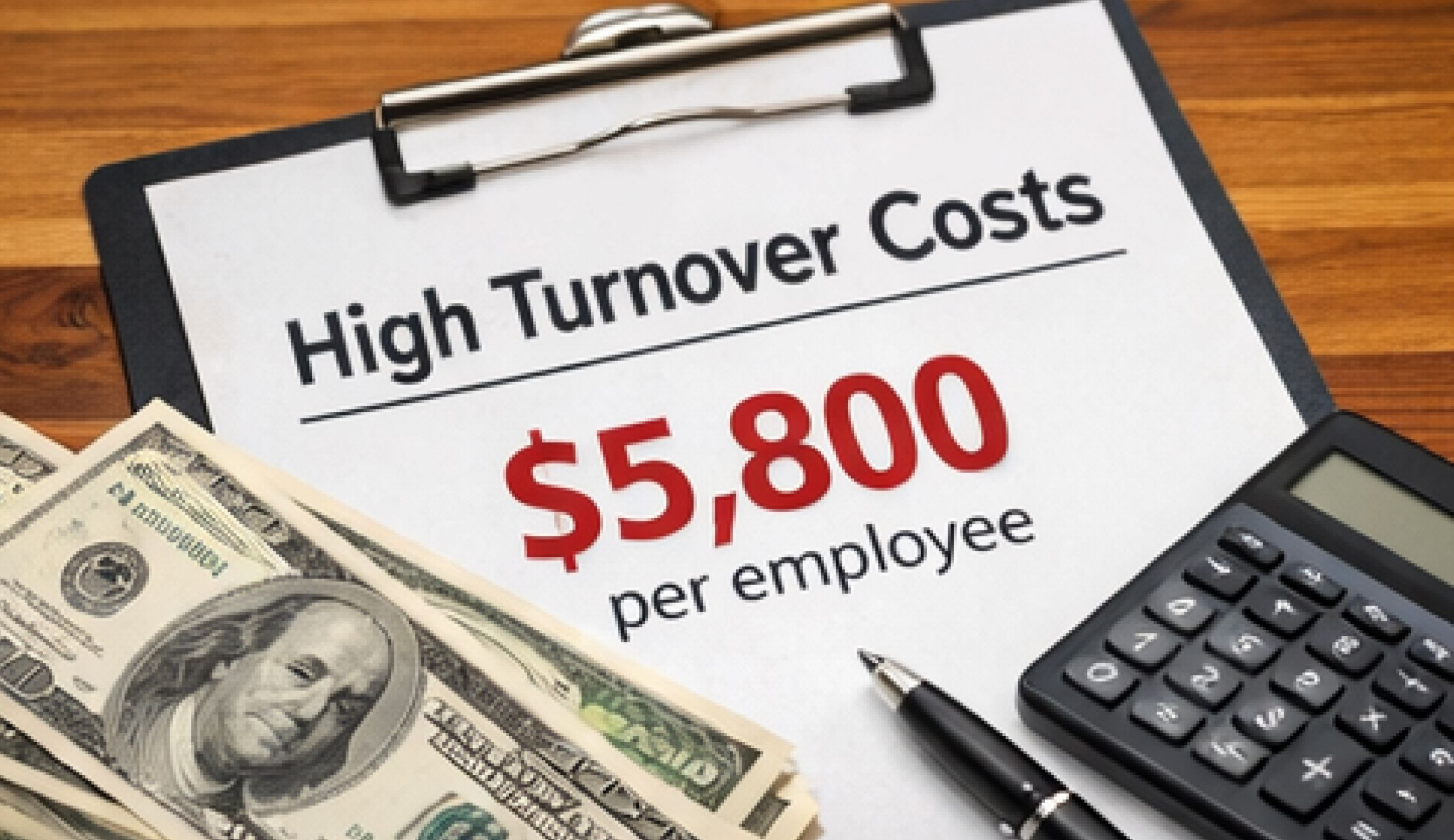
- The Turnover Black Hole: Annual front-of-house turnover in casual dining consistently hovers between 75% and 100%. The loss of frontline productivity for every replaced employee costs operators anywhere from $3,500 to $5,864.
Based on historical benchmarks, average labor costs for full-service restaurants account for 36.5% of total sales, while limited-service formats sit at around 31.7%. At these levels, just one employee calling in sick or uneven team training is enough to completely wipe out a restaurant's meager profits during the dinner rush.
2. The Volatility of Human Recruitment Challenges
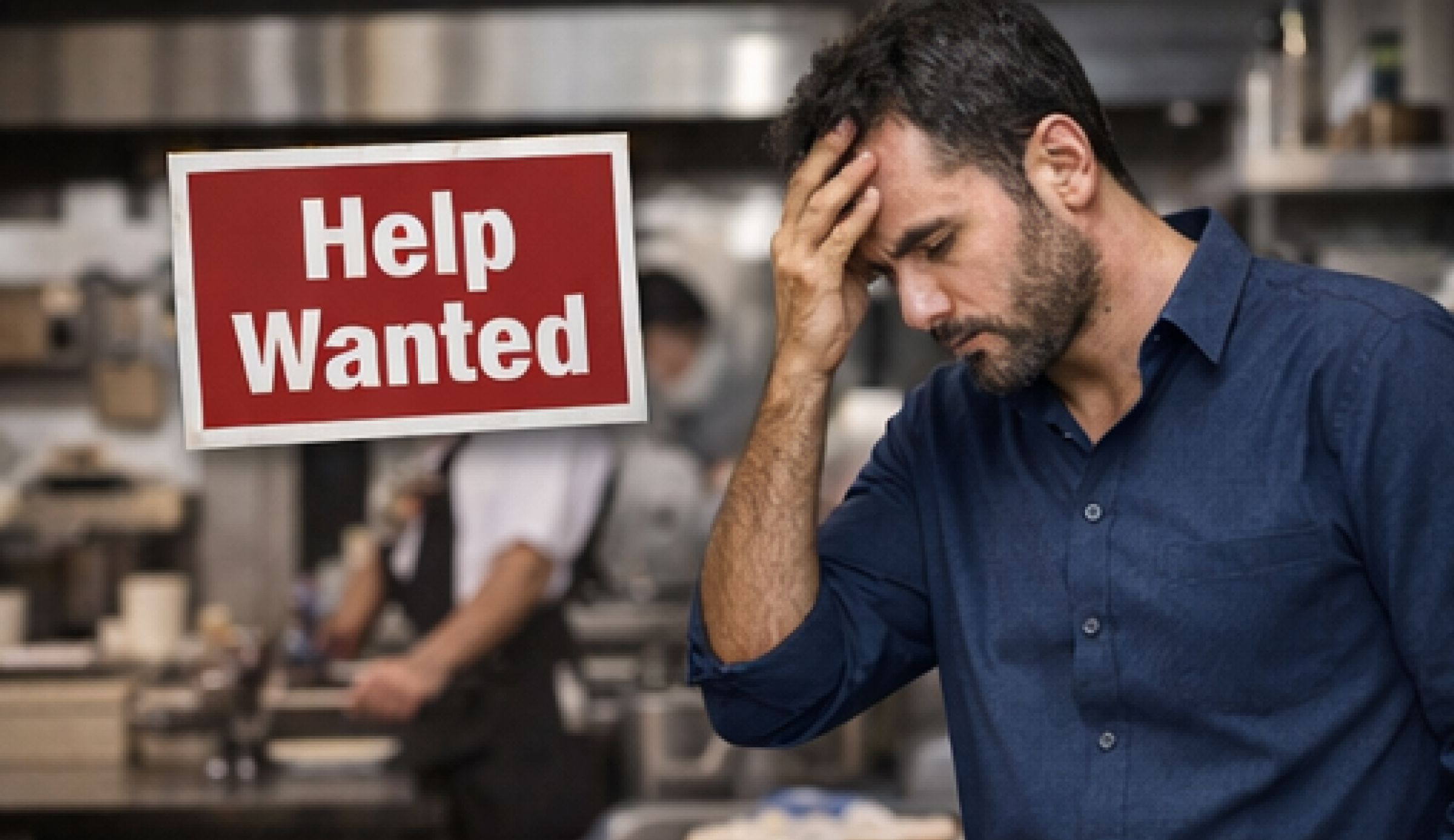
An increasing number of operators realize that labor challenges have evolved into a need to manage high volatility—including fluctuations in staffing levels, experience, and daily attendance.
For operators seeking to stabilize their restaurant workforce, "volatility" is the core issue to address. Two operational pressure points frequently emerge on the frontlines:
Peak Hour Coverage Risks
Analysis by industry data firm Black Box Intelligence reveals that when restaurants operate below optimal staffing levels for front-of-house runners or servers during weekend peak hours, being short just one person causes complaints about slow service and order errors to spike by over 34%. An understaffed shift triggers a domino effect: elongated ticket times, inconsistent food quality control, and increased refunds or complaints, all of which accelerate burnout among existing staff.
"Quality Drift" Driven by Constant Retraining
Furthermore, demographic shifts in the U.S. labor structure—specifically the shrinking 16-to-24-year-old population—are restricting the traditional entry-level talent pool for hospitality. This forces restaurants into an endless cycle of continuous retraining, leading to "quality drift"—a subtle decline in service standards, lower operator confidence in upselling, and a need for heavier managerial oversight. High wages and sign-on bonuses only address the surface of recruitment; they fail to eliminate the operational friction caused by a highly transient workforce.
Overcoming VolatilityWith Automation Hardware: Shifting from Traditional Belts to Independent Smart Tracks
Operational data from the National Employment Law Project (NELP) indicates that mandatory wage hikes exceeding $17 per hour have made manual labor costs unbearable. However, directly switching to lower-tier automation hardware can trigger new maintenance issues. This is where a robust, stable system becomes crucial. We specifically introduce Hong Chiang Technology's structural redesign of automation equipment, which eliminates human error and hardware downtime:
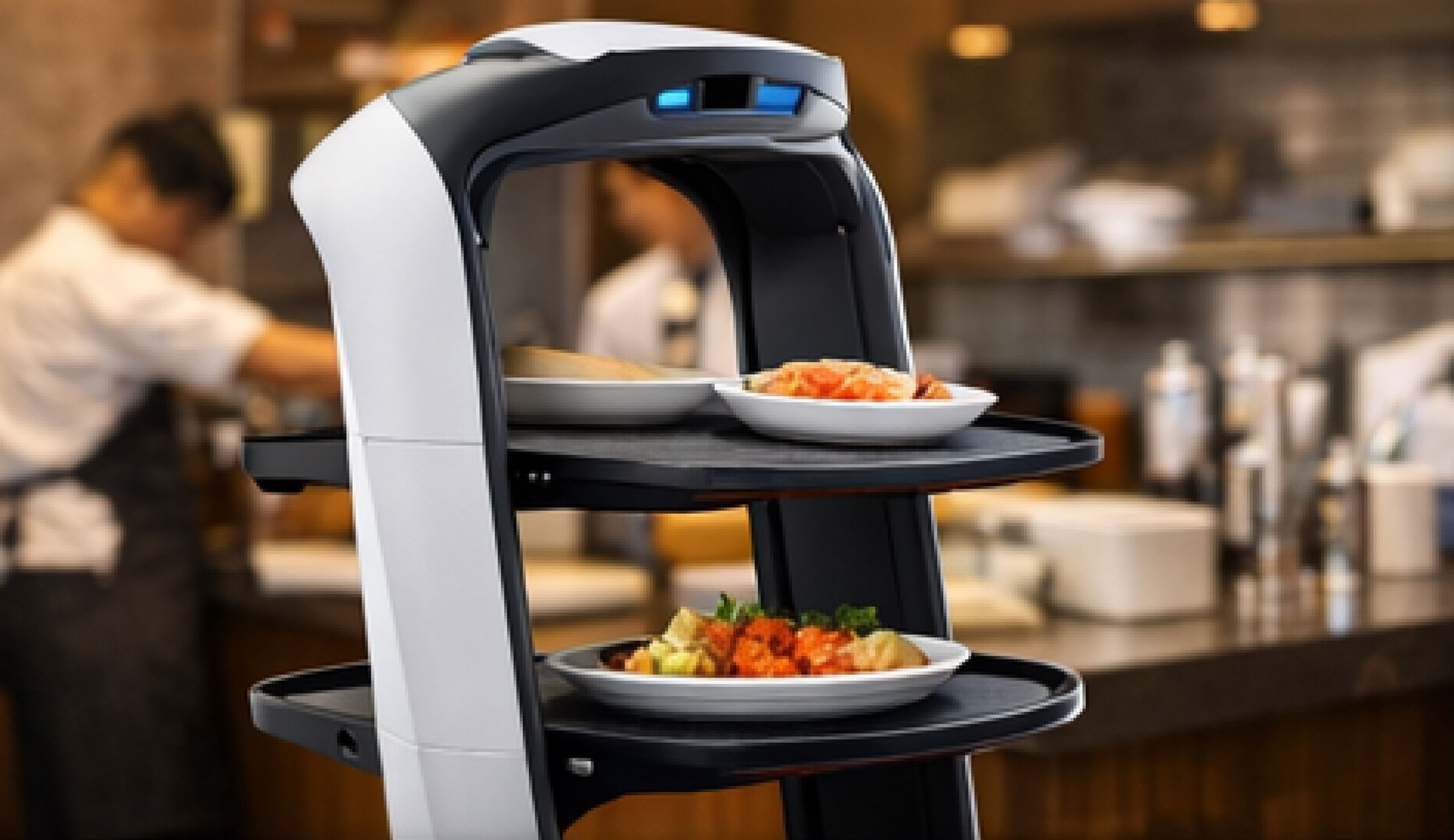
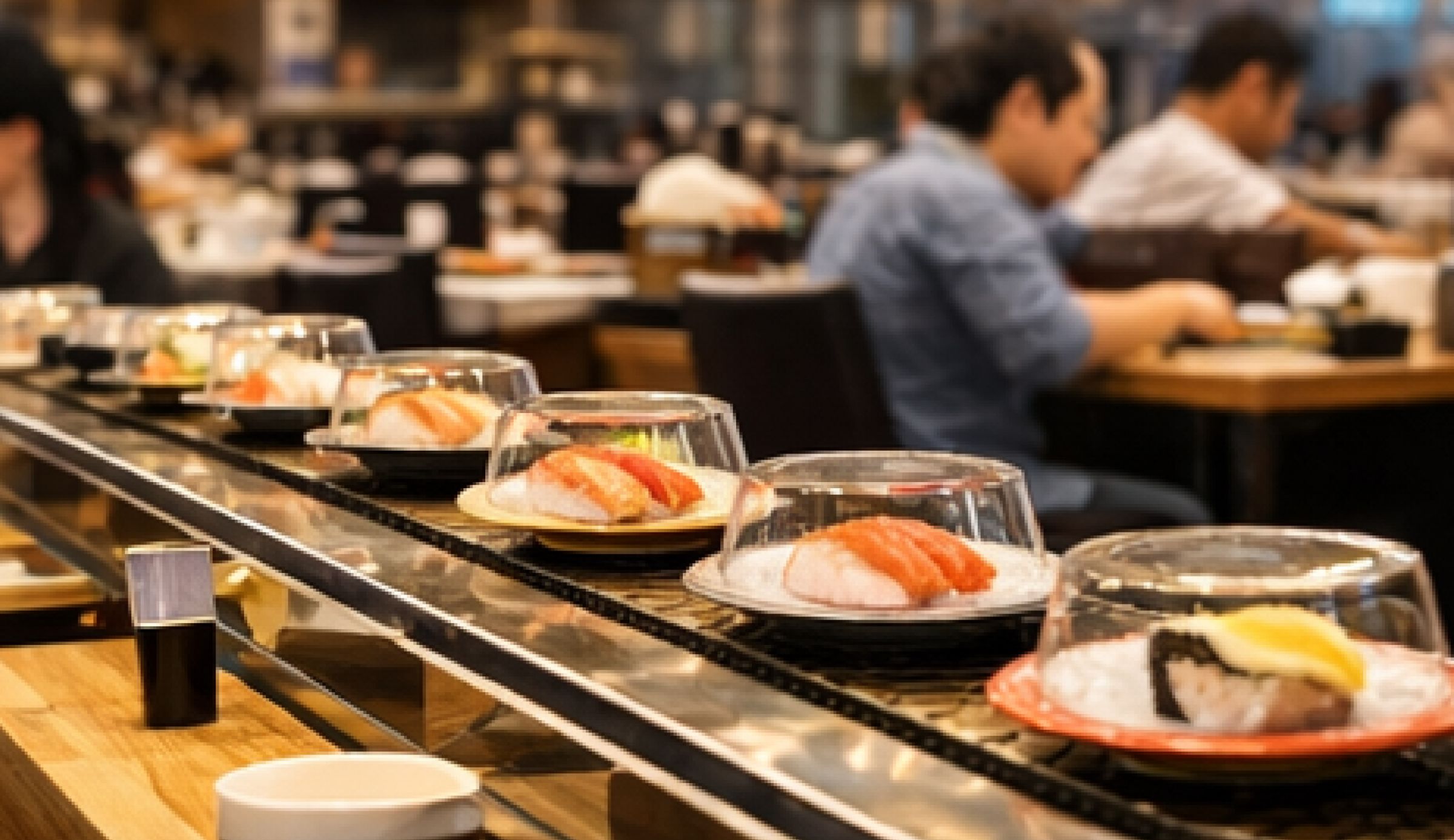
- Eradicating Maintenance Wear and Tear: Traditional friction-based conveyor loops historically suffered from belt stretching, motor wear, and massive cleaning friction. Starting in 2020, Hong Chiang's next-generation systems adopted independent smart track food delivery robots to completely isolate and resolve the issues caused by mechanical wear.
- Industry-First S-Curve Anti-Spill Technology: Built-in active acceleration calibration allows the delivery car to monitor inertial shift in real-time, completely preventing sauces or liquids from spilling during high-speed cornering.
- MIT Quality Assurance: Strictly designed and manufactured according to Taiwan's precision manufacturing standards, the entire track infrastructure features an ultra-slim body design, maximizing narrow table spaces and floor plan efficiency.
Technical Spec Highlight: High-speed delivery cars designed specifically for industrial-grade peak multi-unit usage and tested millions of times to maintain a 100% duty cycle operation.
3. Why Automation is Being Redefined in 2026
When it comes to automation, traditional operators naturally hesitate. But it seems society has only recently shifted the conversation from "Will robots replace humans?" to a more strategic extension: Which parts of the operation are simply too fragile to rely entirely on highly volatile human labor?
By 2026, automation and AI are no longer viewed merely as futuristic experiments or market gimmicks.
Massive labor cost structures and worsening economic inflation have forced all industries to comprehensively re-evaluate cost allocations, steadily moving physical automation into the realm of standard restaurant architecture.
Market SegmentationBeyond Sushi: Transforming High-Traffic Western Steakhouses, Hot Pot, and Yakiniku Formats
In intelligence reports from the National Restaurant Association Show (NRA Show), it was highlighted that 81% of restaurant operators view technology as their primary competitive shield. Hong Chiang Technology has expanded automation systems into practical cases beyond traditional sushi formats, providing benchmarks for cross-format hospitality businesses:
- Western Steakhouses and Teppanyaki: Heavy, high-temperature cast-iron skillets typically represent a degree of danger and fatigue for front-of-house servers. Hong Chiang developed a high-load-bearing track delivery car that effortlessly handles heavy configurations, ensuring piping-hot meals completely bypass the delays and accidents of manual expedition.
- Hot Pot and Yakiniku: Ingredients with freshness requirements demand continuous, repetitive material transport for replenishment. By laying out multiple automated express tracks, the kitchen can continuously send plates of raw meat directly to private dining tables on demand, reducing service delays caused by uneven dining pacing.
- Hygiene and Contactless Trust: Against the backdrop of heightened global consumer awareness regarding food hygiene post-2020, operators can earn diners' trust by transporting food through secure, enclosed automated tracks, avoiding contact between servers and consumers.
🚀 Take Action Now
Want to learn how Hong Chiang Technology's track delivery robots can reduce labor costs and improve your restaurant's expedition efficiency? Contact our professional consultants today for a free site assessment and customized ROI analysis.
Modern operators are heavily investing in technical training and automated tools, preparing to deeply integrate technology into daily operations. Now, automation is no longer a bonus feature, but a requisite infrastructure just like our existing POS machines, Kitchen Display Systems (KDS), and online ordering apps. These automated devices not only perfectly blend into existing operational logic but can also be systematically integrated and upgraded.
4. Operators Need to Rethink: The Dine-in Delivery Model
Imagine a restaurant with 120 seats. When a restaurant is full, the ultimate limiting factor on revenue is rarely just the kitchen's production capacity—it usually comes down to delivery distance and the movement of human labor. When front-of-house runners spend 50-60% of their shift simply walking back and forth, the operational quality of service becomes extremely fragile.
Traditional service models demand that everything goes perfectly simultaneously: zero call-outs, flawless expedition pacing, and swift handoffs. Under this model, missing just one runner triggers a chain reaction: slower table turnovers, complaints about cold food, and an inconsistent customer experience. This is why highly labor-dependent delivery processes often collapse precisely when revenue opportunities are highest.
Technical SpecsHong Chiang Technology's Track Delivery Robot Architecture: 1.3 m/s and 5cm Dynamic Control
Global hospitality research published by Deloitte Insights notes that servers waste over 50% of their shift time executing food transport.
Through continuous testing and past combat experience, Hong Chiang Technology has solved this distribution bottleneck:
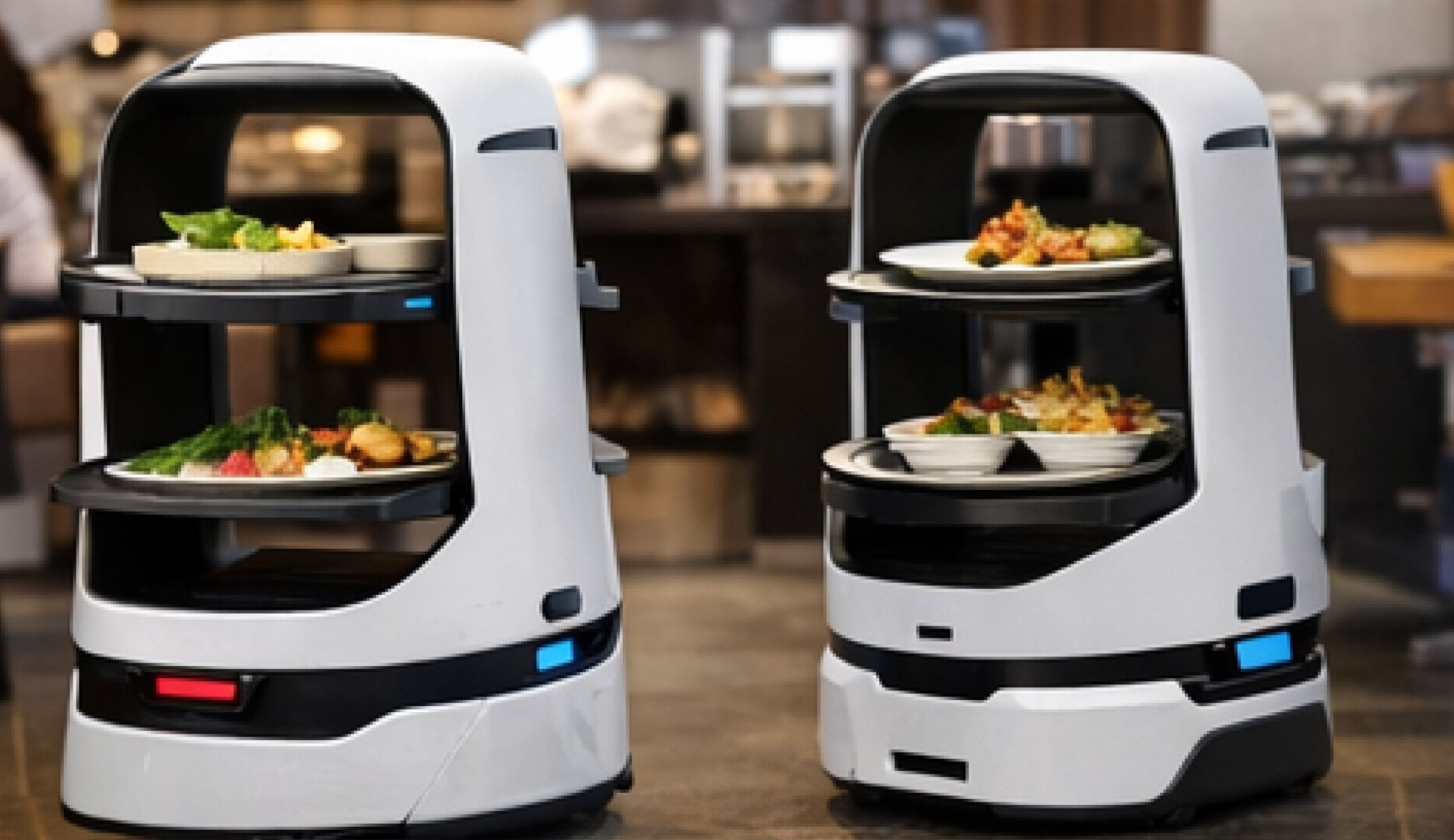
- Industry-Leading Delivery Speed: Our automated express delivery cars operate at top speeds of 1.3 meters per second (m/s), eliminating the need to exhaust human labor on these highly repetitive workflows.
- Dynamic Follow-Distance Algorithms: Built-in advanced sensor arrays maintain distance thresholds between delivery cars to within 5 centimeters. This development effectively prevents track congestion and allows simultaneous multi-table dispatches from a crowded kitchen pass.
- Zero Labor Cost Overlap Impacting Turnover Rates: By eliminating non-value-added manual delivery costs, restaurants can reliably compress manual table turnover times by 20% to 30%, multiplying revenue capacity exponentially during golden weekend peak hours.
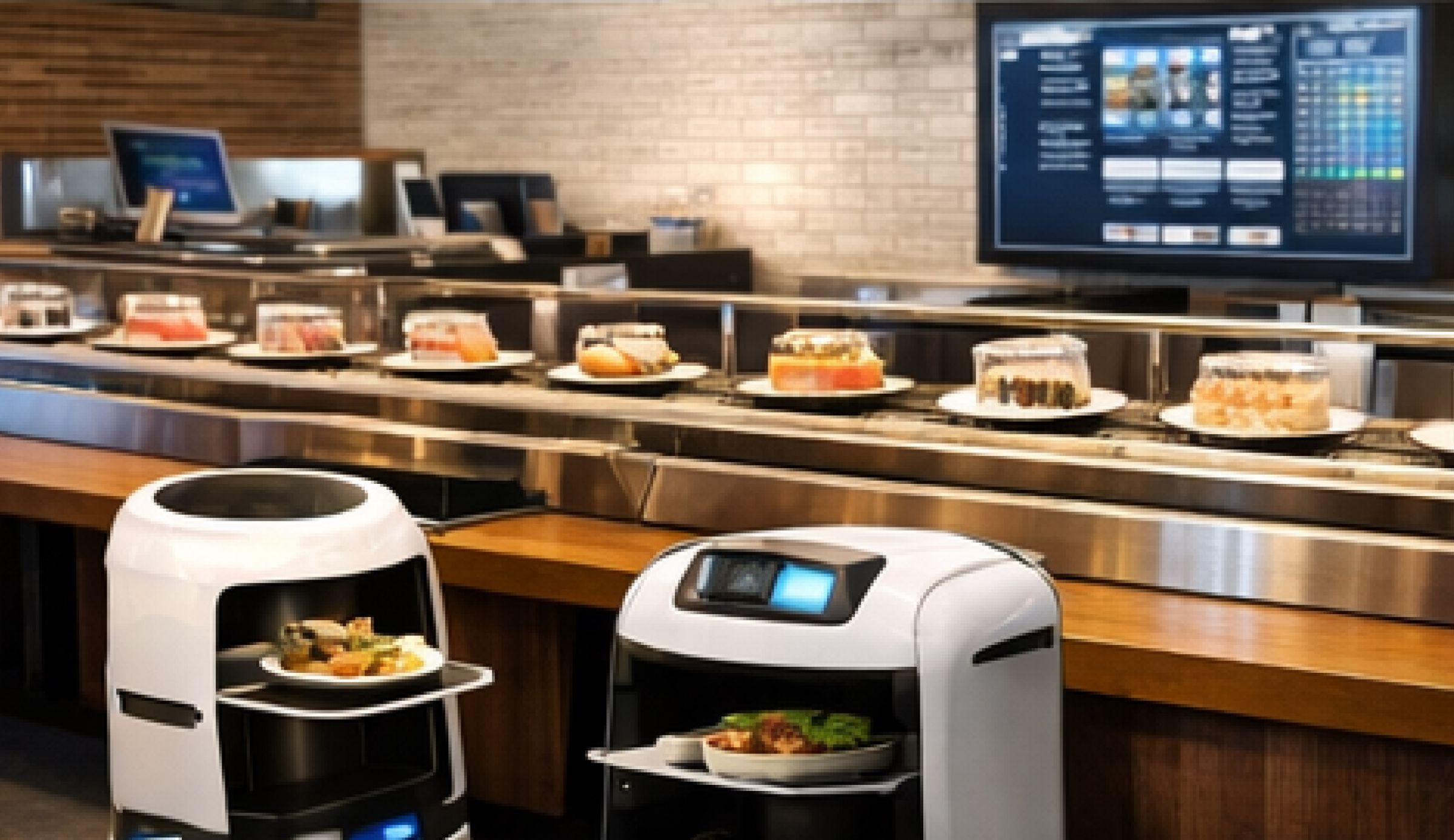
Engineering Guarantee: Fully integrated with cloud tablet ordering and automated KDS workflows to achieve seamless point-to-point path planning.